

5 Emerging Benefits and Uses of Chicory Root Fiber

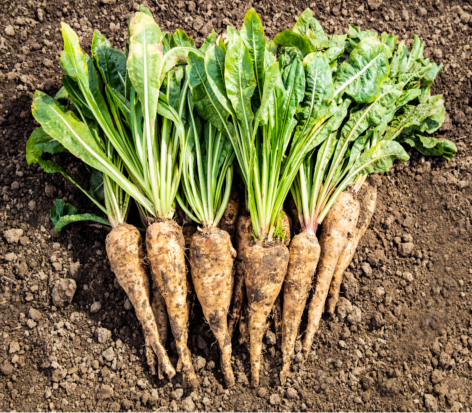
Check out this article from Health Line where it describes how Chicory Root feeds the healthy bacteria in your gut by reducing inflammation, fighting harmful bacteria, and improving mineral absorption.
Understanding Sustainable Living
Sustainable living refers to making choices that reduce our environmental impact and promote the health of our planet. It encompasses various aspects of life, including energy consumption, waste management, transportation, and food choices. The goal is to meet our current needs without compromising the ability of future generations to meet theirs.
What are the benefits of chicory root?
Environmental Protection
Sustainable living helps protect ecosystems and biodiversity. By reducing pollution and conserving resources, we can maintain the balance of nature.
Resource Conservation
Our planet has finite resources. Sustainable practices ensure that we use resources wisely and efficiently, allowing them to replenish naturally.
Economic Benefits
Sustainable living can lead to cost savings. For example, using energy-efficient appliances reduces utility bills, while growing your own food can cut grocery costs.
Health Improvement
A sustainable lifestyle often promotes healthier choices, such as consuming organic foods and reducing exposure to harmful chemicals.
Community Resilience
Sustainable practices foster stronger communities. By supporting local businesses and engaging in community gardens, we build connections and resilience.
Practical Steps to Live Sustainably
Adopting a sustainable lifestyle may seem daunting, but small changes can make a significant impact. Here are some practical steps to get started:
Reduce, Reuse, Recycle
Reduce: Minimize waste by purchasing only what you need. Consider digital alternatives to paper products.
Reuse: Find new uses for items instead of discarding them. For example, glass jars can be repurposed for storage.
Recycle: Familiarize yourself with local recycling guidelines to ensure proper disposal of materials.
Conserve Energy
Switch to LED Bulbs: They use less energy and last longer than traditional bulbs.
Unplug Devices: Electronics consume energy even when not in use. Unplug chargers and devices to save energy.
Use Smart Thermostats: These devices optimize heating and cooling, reducing energy consumption.
Choose Sustainable Transportation
Walk or Bike: Whenever possible, opt for walking or biking instead of driving. This reduces carbon emissions and promotes physical health.
Public Transport: Use buses or trains to decrease the number of vehicles on the road.
Carpool: Share rides with others to lower fuel consumption and reduce traffic congestion.
Support Local and Sustainable Food Sources
Farmers' Markets: Purchase fresh produce from local farmers to support sustainable agriculture.
Grow Your Own Food: Start a small garden to grow herbs, vegetables, or fruits. This not only reduces your carbon footprint but also provides fresh produce.
Choose Organic: Organic farming practices are generally more sustainable and better for the environment.
Water Conservation
Fix Leaks: A dripping faucet can waste gallons of water. Repair leaks promptly.
Install Low-Flow Fixtures: Use low-flow showerheads and faucets to reduce water usage.
Collect Rainwater: Use rain barrels to collect water for gardening and other non-potable uses.
The Benefits of Sustainable Living
Living sustainably offers numerous benefits that extend beyond environmental protection. Here are some key advantages:
Enhanced Quality of Life
Sustainable living often leads to a healthier lifestyle. By consuming organic foods and reducing exposure to pollutants, individuals can experience improved physical and mental well-being.
Financial Savings
While some sustainable products may have a higher upfront cost, they often lead to long-term savings. Energy-efficient appliances and reduced utility bills can significantly lower overall expenses.
Increased Community Engagement
Sustainable living encourages individuals to connect with their communities. Participating in local initiatives, such as community gardens or clean-up events, fosters a sense of belonging and shared purpose.
Legacy for Future Generations
By adopting sustainable practices, we contribute to a healthier planet for future generations. Teaching children about sustainability instills values that promote environmental stewardship.
Overcoming Challenges to Sustainable Living
While the benefits of sustainable living are clear, many people face challenges when trying to adopt these practices. Here are some common obstacles and how to overcome them:
Lack of Awareness
Many individuals may not fully understand the impact of their choices. Education is key. Share information about sustainable practices with friends and family, and seek out resources to learn more.
Perceived Inconvenience
Some may view sustainable practices as inconvenient. Start small by incorporating one or two changes at a time. As these practices become habits, they will feel less burdensome.
Financial Constraints
Sustainable products can sometimes be more expensive. Look for local resources, such as community gardens or co-ops, that offer affordable options. Additionally, consider the long-term savings associated with sustainable choices.
Conclusion
Sustainable living is essential for the health of our planet and future generations. By making conscious choices in our daily lives, we can significantly reduce our environmental impact and contribute to a more sustainable world. Start with small changes, and gradually incorporate more sustainable practices into your lifestyle. Remember, every action counts, and together we can create a positive change for our planet.
Next Steps
Get Involved: Join local sustainability initiatives or volunteer for environmental organizations.
Educate Yourself: Read books, attend workshops, or follow online courses on sustainability.
Share Your Journey: Inspire others by sharing your sustainable living experiences on social media or community forums.
By embracing sustainable living, we not only improve our lives but also contribute to a healthier planet for all.


Comments